
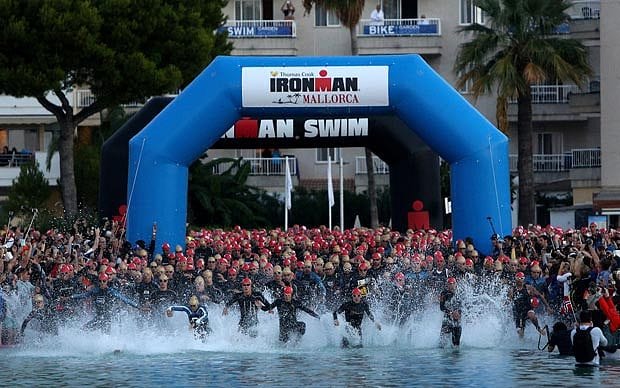
Triathlons are the ultimate test of endurance, pushing athletes to their limits across three demanding disciplines: swimming, cycling, and running. Specifically, the swim leg often stands out as the most challenging, both technically and psychologically. Consequently, for many triathletes, it’s the make-or-break part of the race. Yet, with specialized swim coaching, this segment can transform from a daunting hurdle into a competitive advantage.
The Overarching Challenge: Conquering the Swim Leg
The swim leg of a triathlon is not just about surviving; it’s about mastering the water to set a strong foundation for the entire race. Unlike running or cycling, swimming requires a unique blend of technique, endurance, and mental fortitude. The ability to handle open water variables—like currents, waves, and the physical presence of other swimmers—can significantly impact your overall performance. Here’s a deeper dive into why specialized swim coaching is crucial for triathletes.
The Technical Puzzle of Swimming
Swimming is a complex dance of biomechanics and hydrodynamics. It demands precision and efficiency, as small technical flaws can lead to significant energy wastage. Here are the key technical challenges:
Stroke Efficiency:
- Each stroke must be powerful and fluid, minimizing drag and maximizing propulsion. Common inefficiencies include improper hand entry, excessive splash, and poor follow-through. Specialized swim coaching involves detailed analysis and correction of these aspects, often using underwater video technology to give athletes a clear visual of their stroke mechanics.
Breathing Patterns:
- Efficient breathing is crucial for maintaining endurance and oxygen supply. Many triathletes struggle with consistent breathing, often lifting their heads too high or too frequently, which disrupts their body position and rhythm. Coaches teach specific breathing techniques, such as bilateral or variable breathing, to ensure a steady and efficient oxygen flow.
Body Positioning:
- Maintaining a streamlined position reduces resistance and conserves energy. Common issues include a high head position causing the hips to drop, or an asymmetrical stroke patterns that causes the body to sway. Coaches work on core stability and drills to promote better alignment and buoyancy.
Kick Technique:
- A powerful and efficient kick contributes significantly to overall speed. However, many triathletes have a weak or inefficient kick, often due to inadequate ankle flexibility or improper technique. Coaches provide specific exercises and drills to enhance ankle flexibility and kicking efficiency.
Energy Management: The Hidden Key
Triathlons are a game of energy conservation and strategic expenditure. The energy you save in the swim can be a game-changer for the bike and run legs. Here’s how specialized swim coaching helps manage energy:
Efficiency Training:
- Learning how to move through the water with minimal resistance allows you to conserve energy for later stages. Coaches focus on techniques that reduce drag, such as maintaining a streamlined body position and executing efficient turns and push-offs.
Endurance Building:
- Tailored swim workouts build the stamina required to maintain a strong, steady pace without exhausting your reserves. This includes long-distance swims, interval training, and specific sets designed to simulate race conditions.
Pacing Strategies:
- Proper pacing in the swim leg ensures that you don’t expend all your energy too early. Coaches help develop pacing strategies tailored to your fitness level and race goals, incorporating practice in both pool and open water settings.
Imagine emerging from the water not feeling drained but invigorated and ready to tackle the next leg of the race with vigor. That’s the power of efficient energy management through expert swim coaching.
Tackling Open Water Anxiety
The unpredictability of open water can be intimidating. Factors such as murky waters, variable temperatures, and the proximity of other athletes can induce anxiety. Specialized swim coaching addresses this by:
Open Water Simulations:
- Regular training sessions in open water conditions help you adapt and become comfortable with the variables. Coaches arrange practice sessions in lakes, rivers, and the sea to mimic race-day environments. These sessions cover sighting techniques to keep you on course, drafting behind other swimmers to conserve energy, and coping with physical contact in crowded swims.
Mental Conditioning:
- Techniques to manage anxiety and maintain focus, ensuring you stay calm and perform at your best. Coaches incorporate visualization exercises, stress management strategies, and breathing techniques to help athletes build mental resilience.
Equipment Familiarity:
- Coaches also ensure that athletes are comfortable with their gear, from wetsuits to goggles, reducing the chances of race-day equipment issues. Practicing in full race gear ensures there are no surprises on the big day.
Through repeated exposure and strategic preparation, what once seemed overwhelming becomes familiar and manageable.
The Transition Advantage
A seamless transition from swimming to cycling is crucial for maintaining momentum. A rough swim leg can leave you disoriented and fatigued, making the transition to the bike leg challenging. Specialized swim coaching helps by:
Building Confidence:
- Confidence in your swimming ability reduces race-day anxiety, leading to smoother transitions. Knowing you can handle the swim means you’re less likely to panic, allowing for a more focused and efficient transition.
Technical Preparedness:
- Practicing transitions and swim-to-bike drills ensures you move efficiently from one stage to the next. Coaches set up mock transition areas where athletes practice removing wetsuits, donning cycling gear, and getting on the bike quickly and smoothly.
Real-World Transformation
Consider the journey of numerous triathletes who have turned their swimming from a weakness into a strength. Athletes who once dreaded the swim now find themselves setting personal bests, thanks to focused coaching. Here are a few examples:
Overcoming Technique Flaws
- One triathlete struggled with a high head position, causing his hips to drop and creating significant drag. Through specialized coaching, he learned to correct his head position, leading to a more streamlined body alignment and a 20% improvement in her swim times.
Building Open Water Confidence
- Another triathlete had severe anxiety about open water swimming. With the help of a coach, he participated in regular open water training sessions, gradually becoming more comfortable with the conditions. On race day, he felt calm and confident, finishing the swim leg significantly faster than in previous races.
Energy Conservation and Transition Efficiency
- A seasoned triathlete was strong in cycling and running but often found himself exhausted after the swim. His coach introduced efficiency drills and refined his technique, allowing him to conserve energy. Additionally, they practiced quick transitions, which shaved valuable minutes off his overall race time.
These stories aren’t just about faster swim times; they’re about an improvement in race strategy and execution. The ripple effect of improved swimming technique, confidence, and energy management carries over into the cycling and running legs, culminating in a stronger, more composed race performance.
Your Path to Triathlon Excellence
The swim leg of a triathlon doesn’t have to be a source of stress. With specialized swim coaching, you can transform it into a powerful asset, enhancing your overall race performance. By focusing on technique, energy efficiency, and mental preparation, a swim coach helps you turn challenges into strengths.
In the next post: we will uncover the importance of the swim leg and its impact on overall performance in triathlons. This crucial segment sets the stage for the entire race, influencing both physical and mental endurance. By exploring techniques, energy management, and psychological preparation, we’ll reveal how mastering the swim leg can transform it from a daunting challenge into a competitive advantage, paving the way for a stronger and more successful triathlon performance. Stay tuned to learn how to make every stroke count and emerge from the water ready to conquer the cycling and running legs with confidence.
In our swim workouts program, we ensure that each session fits seamlessly into your overall triathlon training plan. We take into account your running and cycling plan, and adjust our swim sessions accordingly. This maximizes your training efficiency and enhances your performance across all disciplines. Stay tuned to learn how to make every stroke count and emerge from the water ready. Find out more about workouts: https://mareswim.com/pricing/