
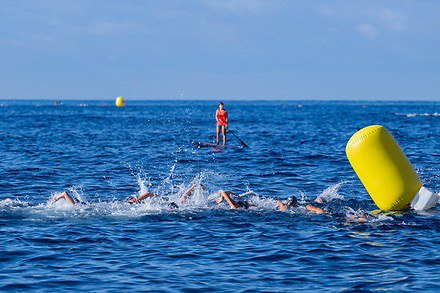
While drafting can offer advantages in open water competitions, such as reducing the energy expenditure and providing a speed boost, there are also potential disadvantages to consider. These include the risk of collisions with other swimmers, the challenge of finding the right position to draft effectively, and the psychological pressure of closely following another competitor. It is important for open water swimmers to carefully weigh the pros and cons before incorporating drafting strategies into their race tactics.
1. Lack of Clear Water and Clear Sight: Drafting involves swimming closely behind another swimmer, which means you may have limited visibility in the open water. This can make it challenging to navigate and potentially lead to collisions or getting off course. When swimming directly behind another athlete, your view of the surroundings may be obstructed, making it difficult to spot landmarks, buoys, or other navigational cues. This can lead to navigation errors or a loss of situational awareness during the race.
2. Loss of Control: When swimming in close proximity to other athletes, you have less control over your own race strategy. Your positioning and pace may be influenced by the swimmer you are drafting, which could affect your overall performance or ability to execute your preferred tactics.
3. Increased Risk of Injury: Swimming in a pack increases the chances of accidental contact or collisions, which can result in injury. Elbows, kicks, or accidental grabs can occur during the intense competition, potentially leading to physical harm or disrupted swimming rhythm.
4. Dependency on Others: Relying on drafting means you are dependent on the performance and strategy of the swimmer in front of you. If they slow down or make a tactical error, it could negatively impact your race as well
5. Limited Opportunities for Surges and Strategic Limitations: Drafting can restrict your ability to make sudden bursts of speed or strategic surges during the race. Since you are closely following another swimmer, it becomes harder to create separation and gain an advantage. Drafting can limit your ability to execute certain strategic manoeuvres or tactics during the race. For example, if you want to make a sudden breakaway or change your positioning in the pack, it becomes more challenging when you are closely following another swimmer.
6. Increased Fatigue from Drafting Effort: While drafting can help conserve energy by reducing the drag, it still requires sustained effort to maintain the close proximity to another swimmer. This effort can lead to increased fatigue over time, potentially affecting performance in the later stages of the race.
It’s important to note that these disadvantages mainly apply specifically to high-level athletes who are competing at a high level, where small differences in strategy and performance can significantly impact results. For recreational or non-elite swimmers, drafting can still be an effective strategy to conserve energy and maintain a steady pace in open water races.
Remember that drafting can still be an effective strategy in open water swimming, and many high-level athletes utilize it to their advantage.
However, understanding and considering these potential disadvantages can help athletes make informed decisions about when and how to employ drafting tactics in their races.