
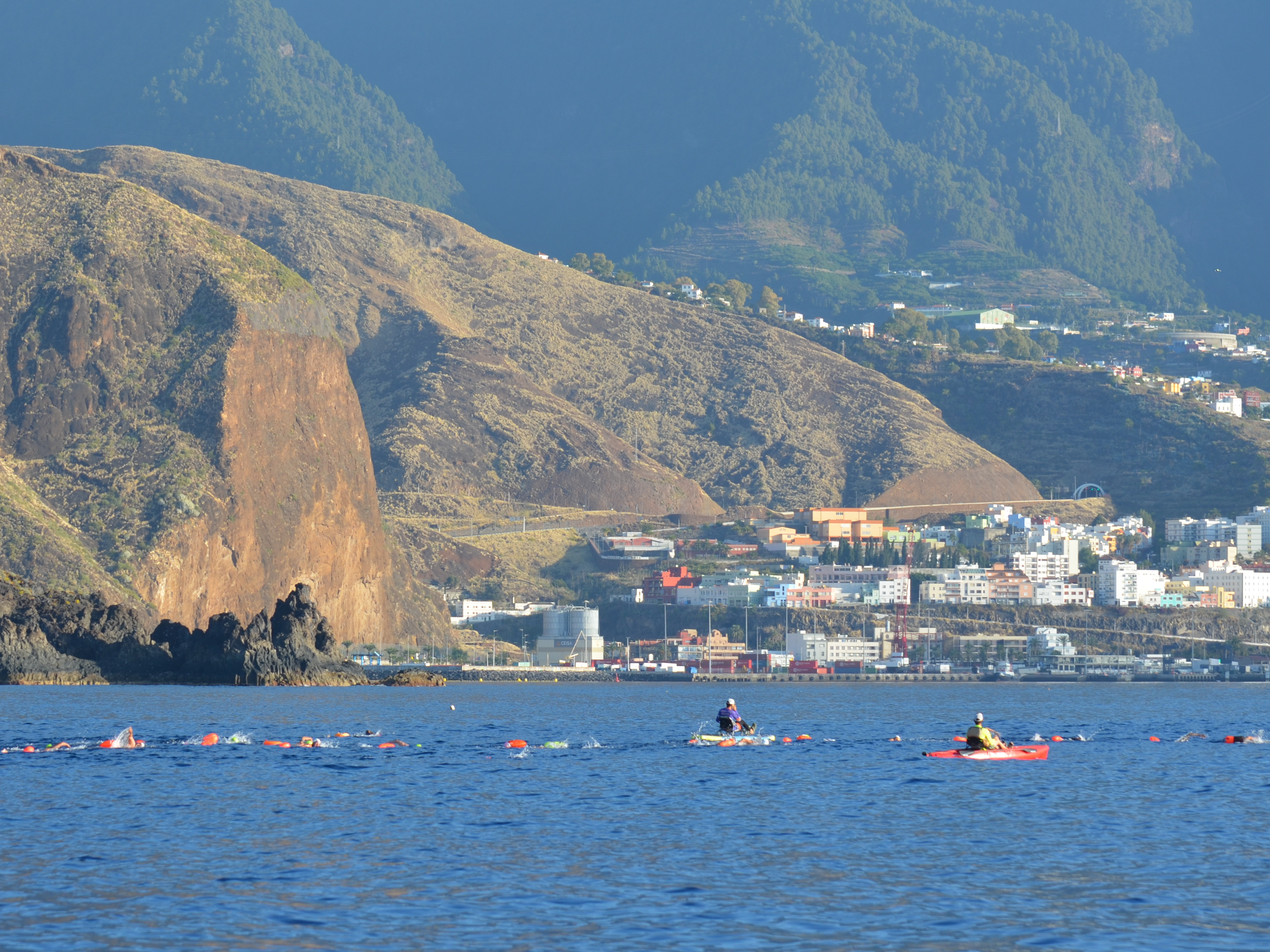
It’s More Than Just an Easy Swim
When you think about swimming in the sea, you might picture a serene, easy-paced glide through the water, enjoying the waves and the freedom of the open horizon. But for those of us who are passionate about open water swimming, it’s much more than just a relaxing dip. Did you know that open water swimming sessions are meticulously programmed and planned, just like any other serious athletic training?
Open water swimming requires a comprehensive approach to training that takes into account the unique challenges of the environment. Currents, tides, waves, and the lack of lane markers and walls all demand specific skills and strategies. A structured training program is essential for developing the necessary endurance, speed, technique, and mental resilience.
A Comprehensive Training Session
A well-rounded open water training session involves much more than swimming at a steady pace. In fact, there’s little point in doing long, easy swims if you’re training for open water competitions. These races demand a completely different pace, characterized by bursts of speed, strategic positioning, and constant adaptability. Here’s what you can expect, this is a little example what training can include:
1. Warm-Up
The warm-up is no longer just about getting your heart rate up. Athletes now integrate a blend of neuromuscular activation and mental preparation too to optimize performance. Modern warm-ups for open water swimming include:
• Light Swimming: Begin with 5-10 minutes of easy swimming to gradually raise your body temperature and get your blood flowing. This initial phase helps to awaken your muscles and prepare them for the workout ahead.
• Dynamic Stretches: Engage in stretches like arm circles, leg swings, and torso twists to enhance flexibility and range of motion. Dynamic stretching is crucial for preparing your muscles and joints for the varied movements encountered in open water swimming.
• Mobility Exercises: Focus on exercises that improve the mobility of your shoulders, hips, and ankles, such as shoulder rotations and hip circles. Ensuring these joints are flexible and ready can help prevent injuries and enhance performance.
• Neuromuscular Activation: Incorporate drills that activate key muscle groups used in swimming. Resistance band exercises for the shoulders and core engagement activities, such as high knee running and mountain climbers, help to activate and strengthen the muscles used in swimming.
• Mental Preparation: Implement visualization techniques and breathing exercises to focus your mind and mentally prepare for the session. Mental preparation, including mindfulness practices, can reduce anxiety and improve concentration, ensuring you’re mentally ready for the challenges of open water swimming.
This comprehensive warm-up approach is designed to ensure that every aspect of a swimmer’s readiness is addressed, from physical preparedness to mental sharpness, reflecting the latest insights from top athletes and coaches in the field
2. OW Drills Training
Recent developments emphasize the importance of specific drills tailored to open water conditions:
- Sighting: Frequent sighting practice combined with head-up freestyle drills to maintain speed while navigating.
- Breathing: Incorporate hypoxic sets and bilateral breathing to handle rough waters and reduce neck strain.
- Stroke Technique: Practice high elbow recovery and a shorter, more powerful stroke to improve stability and efficiency in choppy conditions.
3. Interval Training
Building speed and endurance through interval training is essential. This involves periods of high-intensity swimming mixed with rest or lower intensity periods.
Advanced interval training methods include (examples):
• Variable Pace Intervals: Alternate between different speeds within a single set to mimic race conditions where pace changes frequently, combinations in different proportions of aerobic pace with race pace.
• Sprint Intervals: Swim at maximum effort for 30 seconds, followed by 30 seconds of easy swimming. Repeat for 10-15 minutes.
• Threshold Sets: Swim at a challenging but sustainable pace for 5 minutes, then rest for 1 minute. Repeat for 30-40 minutes.
4. Fartlek Training
Fartlek, which means “speed play” in Swedish, is a unique and highly effective training method that combines continuous swimming with varying speeds. This technique helps develop the ability to change speeds quickly and efficiently, which is crucial for maneuvering through packs of swimmers and responding to race dynamics. For example, swim at a steady pace for 5 minutes, then sprint for 1 minute, and repeat this pattern for 30 minutes.
5. Endurance Training
To build the stamina needed for long swims, endurance training is key. These sessions often simulate race conditions, helping you adapt to the physical and mental demands of long-distance swimming.
• Open Water Simulation: Long swims of 60-90 minutes at a moderate pace, incorporating sighting and navigation practice.
• Cross-Training: Integrate activities like cycling or running to build overall cardiovascular endurance and prevent overuse injuries.
6. Race Simulation Swim
Simulating race conditions is a critical part of training. Practicing starts, turns, finishes, and swimming in groups prepares you for the competitive environment. Include mass start simulations and practice drafting behind other swimmers to conserve energy.
7. Strength and Conditioning
Strength and conditioning are just as important as swimming itself. Land-based workouts, like weight training and core exercises, enhance your overall power and stability in the water. Focus on exercises that target your shoulders, back, core, and legs, such as push-ups, planks, and squats.
To excel
in open water swimming, it’s essential to incorporate specific features in your training plan that target the unique demands of the sport. Training should include exercises that help you transition your speed and technique from the controlled environment of a pool to the dynamic conditions of open water. This helps maintain efficiency and speed despite the lack of lane markers and changing water conditions.
In open water races,
the ability to change speeds quickly is crucial for maneuvering through packs of swimmers, overtaking competitors, and responding to race dynamics. Incorporating speed change drills, such as Fartlek training, into your regimen can significantly enhance your agility and race performance.
Effective race starts and strong finishes can make a significant difference in your overall performance. Training should include practicing explosive starts and powerful finishes to give you a competitive edge.
Adaptability drills, such as practicing in different weather conditions and water temperatures, help swimmers become more resilient and better prepared for the unpredictable nature of open water swimming.
Open water swim
training also depends on the specific distance you’re preparing for and your current stage of periodization. Whether you’re gearing up for a short sprint race or a long-distance marathon swim, your training needs to be customized accordingly. Early stages of training might focus on building base endurance, while later stages emphasize race-specific speed and tactics. Periodization ensures that your training peaks at the right time, optimizing performance for your key events.
At Mareswim, we incorporate a variety of highly effective features in our training programs to ensure that each session is engaging and beneficial. By using tracking, you can monitor your swim routes and analyze key performance metrics. This technology helps identify areas for improvement and allows for precise tracking of your progress over time.
Training with a group can simulate race conditions, helping you get accustomed to the dynamics of swimming in a crowd. Group sessions also enhance your drafting skills and teach you how to navigate through packs of swimmers, which is crucial in competitive open water swimming.
By integrating these features into our training programs, Mareswim ensures that each session is not only effective but also engaging and tailored to the specific needs of open water swimmers.
Open water swimming is far from a simple, leisurely activity. It requires structured, varied training to prepare for the rigors of competition. At Mareswim, we’re dedicated to making your training sessions engaging, effective, and tailored to your individual needs. Embrace the challenge of open water swimming with Mareswim and discover how a well-planned training session can elevate your performance and enjoyment.