
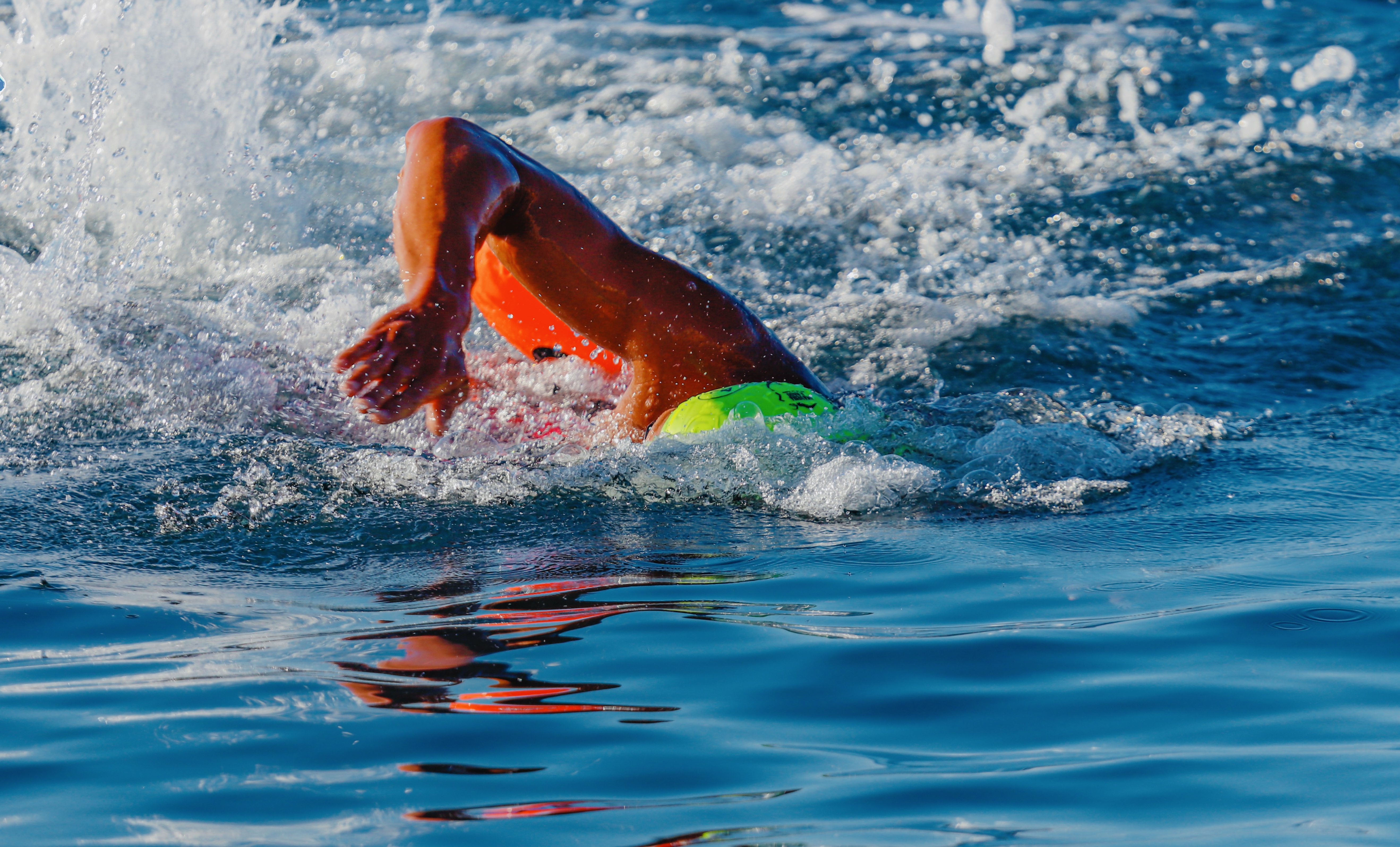
A Guide for Athletes 🧠✨
As race day approaches, it’s completely normal to feel a mix of excitement and nervousness. Our brains naturally wander and sometimes conjure up worst-case scenarios. But don’t worry, this is just your mind trying to prepare for the unknown. Let’s dive into why this happens and how to tackle it effectively by planning for various scenarios.
Why We Feel Anxious Before a Race
Our brains are wired to fear the unknown. When the outcome of a race is uncertain, our minds can go into overdrive, creating unnecessary stress and anxiety. This is because our brains don’t like unpredictability and will do anything to avoid it.
How to Tackle Pre-Race Anxiety
The key to overcoming pre-race jitters is to face your fears head-on and prepare for different scenarios. Here’s a detailed strategy to help you manage pre-race anxiety effectively:
1. Acknowledge the Fear: Recognize that it’s normal to feel anxious and that it’s just your brain’s way of protecting you.
2. Visualize Success: Visualization helps because it transforms the unknown into the known for your brain. Picture yourself crossing the finish line strong and achieving your goals. This positive reinforcement can boost your confidence.
3. Plan for Various Scenarios: By preparing for different outcomes, you can reduce the fear of the unknown. Think about at least three possible scenarios you might encounter during the race. If happens this, you do this; if goes this, you adjust this. For each, decide how you’ll respond. Here are three examples:
• Scenario 1: You Start Slow
• What to Do: Don’t panic! Take a deep breath, focus on your rhythm, and gradually pick up the pace. Remember, it’s not about how you start, but how you finish.
• Example: If you find yourself lagging behind in the first few minutes, remind yourself to stay calm and focus on maintaining a steady pace. Gradually increase your speed as you get into the rhythm. This approach helps conserve energy and build momentum as the race progresses.
• Scenario 2: Mid-Race Fatigue 😓
• What to Do: Break the race into smaller segments. Set mini-goals, like reaching the next marker or maintaining a steady pace for the next five minutes.
• Example: If you feel tired halfway through, remember that it’s a common experience among racers, other athletes tired too. Aim to reach the next buy with the same sped, and then reassess your energy levels, maybe it is not that bad. This strategy keeps you focused and motivated, preventing overwhelming feelings of fatigue.
• Scenario 3: Unexpected Obstacles
• What to Do: Adapt and stay flexible. If you encounter an obstacle, such as a change in weather, adjust your strategy accordingly. Keep a positive mindset; every challenge is an opportunity to grow.
• Example: If it starts waving unexpectedly, adjust your pace technique and focus on maintaining a safe and steady pace. Embrace the challenge and use it as a mental boost. This not only helps in managing the immediate situation but also builds mental resilience for future races, keep this in mind.
Acknowledge the Fear
Recognizing Anxiety as Normal:
Understanding that pre-race anxiety is a natural and common experience is crucial. Many athletes, even the most seasoned ones, feel nervous before a race. Acknowledging this fear can help demystify it, making it less daunting.
Understanding the Purpose of Fear:
Fear is a protective mechanism. It’s your brain’s way of preparing you for potential threats or challenges. When you feel anxious before a race, your brain is trying to make sure you’re alert and ready to perform. This heightened state of awareness can actually be beneficial, as it primes your body for action.
Identifying Specific Fears:
Take some time to pinpoint exactly what you’re anxious about. Is it the fear of not finishing the race? Worry about injury? Concern over disappointing yourself or others? By identifying the specific fears, you can address them more directly.
Accepting Your Feelings:
Rather than fighting your anxiety or feeling ashamed of it, accept that it’s part of the process. Tell yourself that it’s okay to feel this way. Acceptance can reduce the additional layer of stress that comes from trying to suppress your feelings.
Reframing Anxiety as Excitement:
Sometimes, the physical symptoms of anxiety (like a racing heart or butterflies in the stomach) are similar to those of excitement. Reframe your mindset to view these symptoms as signs that you’re excited and ready for the race. This mental shift can transform nervous energy into a positive force.
Using Affirmations:
Positive affirmations can reinforce your acceptance of pre-race anxiety. Phrases like “Feeling nervous is normal,” “I am prepared and ready,” or “I can handle whatever comes my way” can be powerful reminders of your strength and readiness.
Talking About Your Fears:
Discussing your anxieties with a coach, fellow athletes, or a supportive friend can provide relief. Sharing your feelings can help you realize that you’re not alone and that others have similar experiences.
Practicing Mindfulness:
Engage in mindfulness exercises to stay present. Techniques such as deep breathing, meditation, or progressive muscle relaxation can help you stay grounded and reduce anxiety.
By fully acknowledging your fear and understanding its role, you can approach race day with a clearer, calmer mindset. This foundational step is crucial in transforming pre-race anxiety into a source of strength and motivation.
Planning for Success: Transforming the Unknown into the Known
By elaborating on different scenarios, you can transform the unknown into the known. This mental preparation is crucial in managing anxiety and building confidence. Here’s how to develop a comprehensive plan for race day:
1. Identify Potential Scenarios: Think about various situations that could arise during the race. This could include starting slower than expected, feeling fatigued mid-race, or encountering unexpected obstacles like weather changes.
2. Develop Action Plans: For each scenario, create a detailed action plan. Determine what steps you will take to address the situation effectively. This proactive approach helps in reducing anxiety by providing clear, actionable steps.
3. Practice Mental Rehearsal: Regularly visualize each scenario and your planned response. This mental rehearsal can help solidify your action plans, making it easier to execute them on race day.
4. Stay Flexible: While it’s important to have plans in place, remain adaptable. Each race is unique, and being able to adjust your strategy on the fly is a valuable skill.
By preparing for various scenarios and having action plans ready, you can approach race day with confidence. This preparation reduces the fear of the unknown, allowing you to focus on performing your best.
Final Thoughts
Facing your fears and preparing for various scenarios can transform your anxiety into confidence. Embrace the unknown, trust in your training, and remember – you’ve got this! By acknowledging your fears, visualizing success, and planning for different scenarios, you can turn pre-race anxiety into a powerful motivator.
Preparing mentally is just as important as physical training. Use these strategies to keep your mind focused and your spirit strong. Every race is a learning experience, and with each one, you’ll become better equipped to handle the challenges that come your way.
Good luck on race day! Stay positive, stay focused, and enjoy the journey.